Cancer is a disease caused by the abnormal growth
and spread of cells in the human body. In cancer treatment, proper nutrition
plays a very important role. Many people with
cancer start losing weight even before treatment begins, because the disease
itself changes how the body uses energy. Cancer increases metabolic stress,
which means the body needs more calories, protein and fluids than usual. At the
same time, the immune system releases substances called cytokines that can
reduce appetite, making it even harder to eat enough. When this underlying
effect of cancer combines with treatment side effects, the risk of malnutrition
becomes very high. Staying well-nourished during treatment is essential because
it can ease side effects, lower the chances of hospitalization, improve how
well treatments work and help patients complete the full course of therapy.
Ø The Role of Nutrition in Cancer Care:
Cancer and its treatments often reduce the body’s ability
to absorb nutrients, leaving the patient weak. The right food habits can
support a cancer patient in the following ways:
·
Boosts energy – During cancer treatment, the body’s energy needs increase.
Adequate intake of protein, healthy fats and carbohydrates helps meet these additional
energy demands.
·
Strengthens the immune
system – Foods rich in Vitamin C, Vitamin E,
zinc, and antioxidants enhance immunity.
·
Supports tissue repair – Protein-rich foods help in the formation of new cells and repair
damaged tissues.
·
Reduces treatment side
effects – Certain foods can ease nausea, diarrhoea
or mouth sores.
Ø What foods are
Important?
Within a balanced diet, some foods are particularly
important during cancer treatment:
·
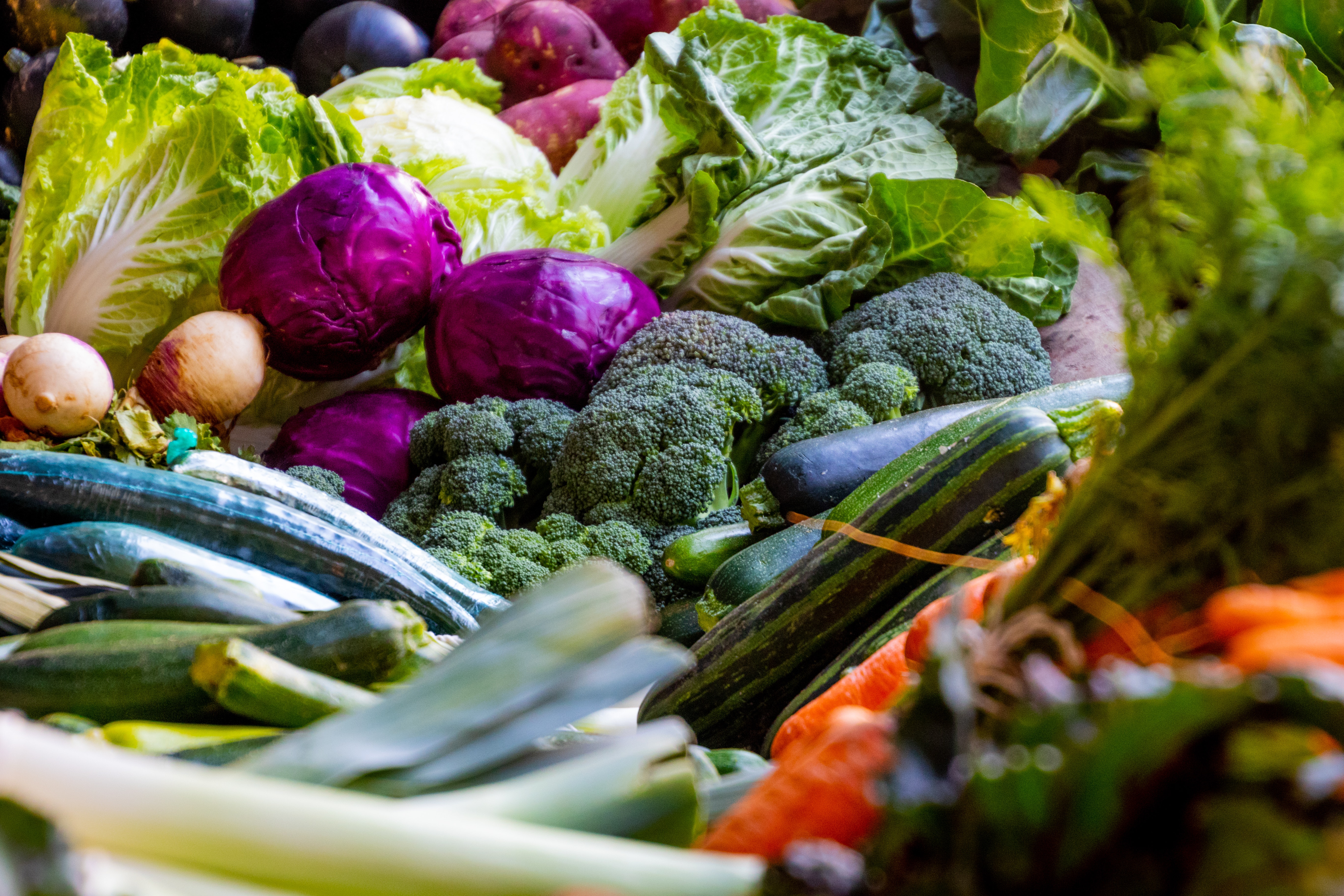
Fruits and vegetables – Rich in vitamins, minerals, and antioxidants.
·
Protein – Meat, fish, dal and eggs.
·
Carbohydrates – Instead of refined grains like white rice or flour, choose
vegetables and whole grains.
·
Healthy fats – Such as olive oil, nuts and avocado.
Ø Foods to Avoid:
·
Processed meats (sausages,
bacon, red meat)
·
Excess sugar and sweets
·
Deep-fried and fast foods
·
Alcohol and smoking
Ø Tailoring Nutrition with
individual needs
Nutrition
is not one-size-fits-all approach. A patient undergoing head and neck cancer
therapy may need a completely different plan compared to someone with colon
cancer or leukaemia. For example:
- Mouth
sores:
Soft, bland, non-acidic foods such as custards, porridges or mashed
potatoes help reduce discomfort.
- Diarrhoea
from chemotherapy: Low-fibre, binding foods like rice, bananas,
or curd provide relief.
- Constipation
from painkillers: High-fibre foods with adequate fluids, leafy
greens or warm water help restore
balance.
- Altered
taste:
Adding herbs, lemon zest or mild spices can bring back flavour and
appetite.
Nutrition
therapy is therefore not generic advice rather it is carefully designed,
monitored, and adapted at every stage of the journey.
Food is
more than just nutrients. For many patients, it connects them to home, comfort
and culture. A bowl of homemade dal or a favourite seasonal fruit can uplift
mood during the most difficult days. Involving family members in meal
preparation and creating a positive eating environment helps reduce stress
around food and gives patients a sense of control. As cancer care advances, the
role of nutrition must no longer remain in the background. It deserves equal
recognition alongside medical treatment. Properly guided nutrition can reduce
side effects, shorten hospital stays and improve survival outcomes. Most
importantly, it gives patients the strength and dignity to face their journey
with resilience.
Proper nutrition plays a major role in cancer care.
Remember, nutrition is important not only for physical health but also for
mental well-being.








Posted on April 15, 2016
Posted on April 15, 2016