World
Ovarian Cancer Day 2026 emphasized the theme “No Woman Left Behind,” focusing
on equitable access to care, biomarker testing, and novel therapies. The latest
findings on ovarian cancer awareness highlight the urgent need for early
detection, with survival rates reaching 90% if caught at Stage I but dropping
below 30% at Stage IV.
Awareness
Campaigns
- World Ovarian
Cancer Day 2026
(May 8) adopted the theme “No Woman Left Behind”, focusing on
equitable care and awareness.
- Symptom Index: Research
confirms that persistence and frequency of symptoms are stronger
indicators than severity.
- Community
barriers:
Financial limitations, stigma around reproductive health, and assumptions
about younger women being low-risk delay diagnosis
Key
Awareness Updates of 2026 include
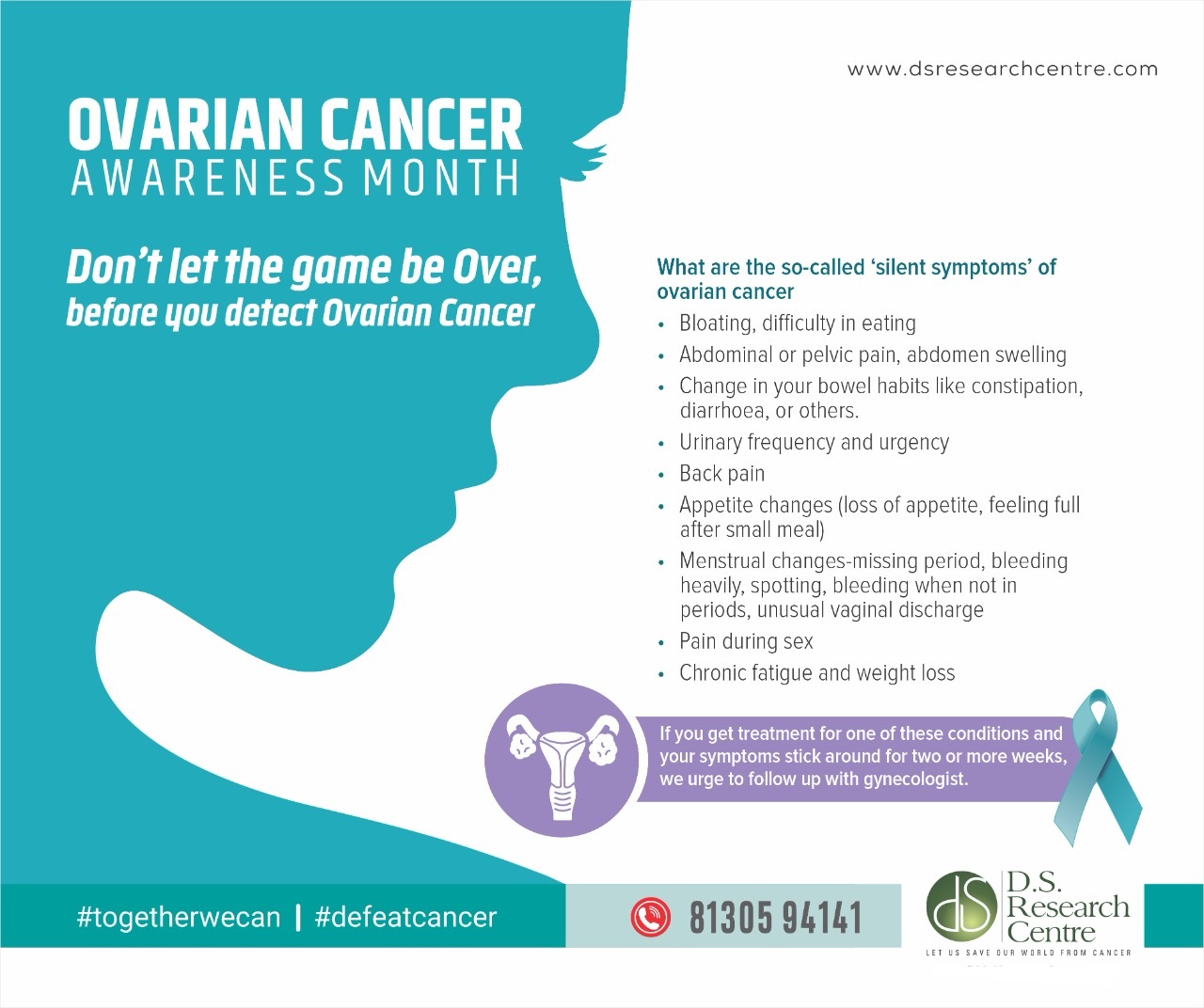
- Silent symptoms: Persistent
bloating, pelvic pain, loss of appetite, extreme fatigue, and pelvic
heaviness are now emphasized as “whispers” of ovarian cancer. Doctors urge
women to follow the Two-Week Rule—seek medical advice if symptoms
persist beyond 14 days.
- Global inequities: 70% of ovarian
cancer cases occur in low- and middle-income countries, where access to
biomarker testing and new therapies remains limited.
- India’s crisis: Most women are
diagnosed at Stage III or IV due to lack of awareness and healthcare
pathways. Research shows many ovarian cancers originate in the fallopian
tubes, prompting exploration of intra-tubal imaging as a new
detection frontier
RISKS
& CHALLENGES TO CONSIDER AND ACT
- Late diagnosis remains the
biggest challenge, especially in India, where most cases are detected only
after spreading.
- Lack of routine
screening
complicates early detection worldwide.
- Projected rise: By 2050,
ovarian cancer diagnoses may increase by 55%, with deaths rising nearly
70%, especially in resource-limited regions
NOW
LET’S UNDERSTAND WHAT OVARIAN CARCINOMA IS:
Ovarian
carcinoma is a type of ovarian cancer that begins in the cells of the ovaries,
most commonly the epithelial cells lining the ovary. It is often called a
“silent killer” because early stages usually cause vague or no symptoms,
leading to late diagnosis.
Symptoms
to be Vigilant About:-
Ovarian
carcinoma often mimics common digestive or urinary issues, making it hard to
detect early. Typical signs include:
- Abdominal
bloating
or swelling
- Pelvic pain or discomfort
- Early satiety (feeling full
quickly)
- Frequent
urination
- Fatigue and back pain
- Changes in bowel
habits
(constipation/diarrhea)
WHO IS CONSIDERED HIGH
RISK?
Women
at high risk for ovarian carcinoma include those with inherited genetic
mutations (BRCA1, BRCA2, Lynch syndrome), strong family history of ovarian or
breast cancer, and certain medical or reproductive factors such as
endometriosis, infertility, or early/late menstruation. Preventive strategies
like genetic counseling, close surveillance, and risk-reducing surgery are
often recommended. Let’s crack the code.
BRCA1 and BRCA2 mutations increase lifetime ovarian
cancer risk up to 40–60%.
Lynch syndrome (hereditary nonpolyposis colorectal
cancer) also raises risk.
Other genes: RAD51C, RAD51D, BRIP1, PALB2.
Having a mother, sister, or daughter with ovarian or
breast cancer significantly increases risk.
Risk rises steeply after age 45, with peak incidence
between 65–79 years.
Endometriosis and diabetes are linked to higher
risk.
Never giving birth, infertility, or early menstruation
(<12 years) and late menopause (>52 years) increase risk.
Obesity, smoking, and long-term estrogen-only
hormone replacement therapy (HRT) raise risk.
Ashkenazi Jewish and Eastern European ancestry is
associated with higher prevalence of BRCA mutations.
WHY
EARLY DETECTION IS DIFFICULT
- Silent
progression:
Symptoms like bloating, fatigue, or pelvic pain are vague and often
mistaken for digestive or urinary issues.
- No standard
screening:
Unlike Pap smears for cervical cancer or mammograms for breast cancer, CA-125
blood tests and transvaginal ultrasounds lack accuracy for
routine screening in average-risk women.
- Tumor
heterogeneity:
Ovarian cancer varies widely among patients, complicating detection.
EARLY
DETECTION STRATEGIES IN CASES OF OVARIAN CANCER: -
1. Symptom vigilance: Doctors emphasize
the Two-Week Rule—seek medical advice if symptoms persist beyond 14
days.
2. BEACH acronym: A simple tool for
remembering early warning signs:
- Bloating
(persistent, progressive)
- Early satiety
(feeling full quickly)
- Abdominal/pelvic
pain (new, persistent)
- Changes in
bladder/bowel habits
- Heightened fatigue
(not relieved by rest)
3. High-risk monitoring: Women with BRCA
mutations or family history undergo closer surveillance with CA-125 and
imaging.
4. Clinical trials: NCCN guidelines
encourage participation in trials testing new biomarkers and imaging methods.
PREVENTION &
MONITORING
- Genetic counselling: Recommended for
women with family history or known mutations.
- Risk-reducing surgery: Prophylactic
salpingo-oophorectomy (removal of ovaries and fallopian tubes) is the most
effective prevention for high-risk women.
- Oral contraceptives: Long-term use
lowers risk by ~50%.
- Surveillance: CA-125 blood
tests and transvaginal ultrasounds are used, though not definitive.
- Lifestyle changes: Maintaining
healthy weight, avoiding smoking, and limiting HRT use.
COUNSELING METHODS IN
PRACTICE
- Risk assessment: Collecting
detailed family history of breast, ovarian, and colorectal cancers.
- Genetic testing: BRCA1/2, Lynch
syndrome, and other high-risk mutations.
- Preventive strategies: Oral
contraceptives, lifestyle changes, and prophylactic salpingo-oophorectomy
for mutation carriers.
- Psychosocial support: Addressing
anxiety, stigma, and family decision-making.
Counselling
is vital for cancer awareness because it helps patients and families understand
the disease, cope with emotional distress, and make informed treatment
decisions. In India, where stigma and lack of awareness often delay diagnosis, counselling
bridges medical care with psychological and social support, improving survival
and quality of life.








Posted on April 15, 2016
Posted on April 15, 2016