Pancreatic
cancer awareness month is a global healthcare event for the awareness of
Pancreatic cancer, which is observed for the entire month of November. The
general awareness of Pancreatic cancer is necessary, since a Pancreatic cancer
patient gets to know about the disease only at the advanced stages, It has been
one of the most difficult cancers to treat. Early detection of Pancreatic
cancer can significantly improve the treatment outcome.
Pancreatic
cancer is the 12th most common cancer worldwide, found more common in men than
women. It is considered a silent killer due to a largely asymptomatic course
and late clinical presentation.
The purple
ribbon represents Pancreatic cancer awareness, showcasing solidarity and
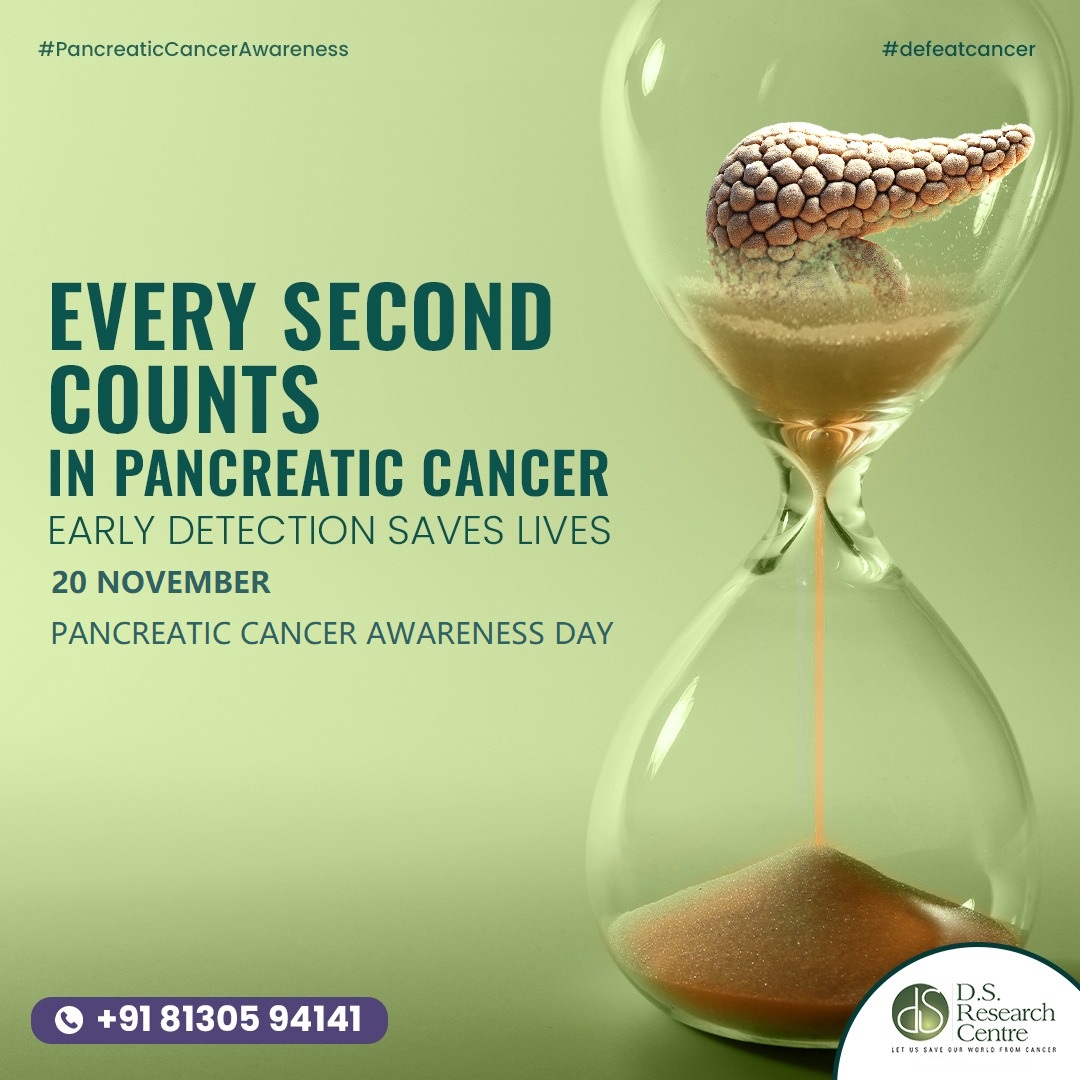
support for patients and their families. Early detection can significantly
improve a patient's prognosis. The theme
for Pancreatic Cancer Awareness Month is "Shine a Light: Early
Detection Saves Lives," emphasizing the need for early symptom
recognition and action.
One of the biggest challenges in detecting Pancreatic
cancer is that its symptoms can be vague and mistaken for other conditions.
However, being aware of the warning signs can make a major difference in early
diagnosis and treatment outcomes.
Common symptoms of Pancreatic Cancer include Pain in the upper or middle abdomen and back,
Unintentional weight loss, Loss of appetite, nausea and vomiting, Jaundice (Yellowing
of the skin and eyes), Clay coloured stools, Fatigue, Itchy skin, Sudden onset
of type 2 diabetes.
Understanding
and managing this risk factors can play a key role in reducing the risk of Pancreatic
cancer.
Pancreatic
cancer risk factors: The risk of Pancreatic cancer increases with age, with
most cases diagnosed in individuals over 65 years of age, Smoking and Tobacco
use is a significant risk factor, with smokers being two to three times more
likely to develop the disease compared to non-smokers, Obesity, excessive
Alcohol intake, exposure to chemicals, Pancreatitis (Hereditary and chronic)
Mutations in genes, such as BRCA1 or BRCA2 genes passed from biological parent
to child.

|
Early
diagnosis not only improves treatment options but also enhances the overall
prognosis for patients. Diagnosing Pancreatic cancer requires a combination of
medical imaging, blood tests, and biopsies. Common diagnostic methods include imaging tests like CT scan., MRI Scan, PET
Scan, Endoscopic ultrasound (EUS), Blood tests like Liver Function test, A tumour
marker test called CA 19-9 may indicate the presence of Pancreatic cancer.
Carcinoembryonic antigen (CEA): Another tumour marker that may be measured
after a Pancreatic cancer diagnosis. Other tests like Liver Enzymes, Bilirubin
are also done, if a Pancreatic tumour blocks the bile duct.
This Pancreatic Cancer
Awareness month lets shine a light on Pancreatic Cancer by creating Awareness
about Pancreatic Cancer, by commemorating the lives we have lost and by honouring
survivors and supporting those battling the disease.









Posted on April 15, 2016
Posted on April 15, 2016